HOME STUDY: A JOURNEY INTO COMMUNITY & DESIGN
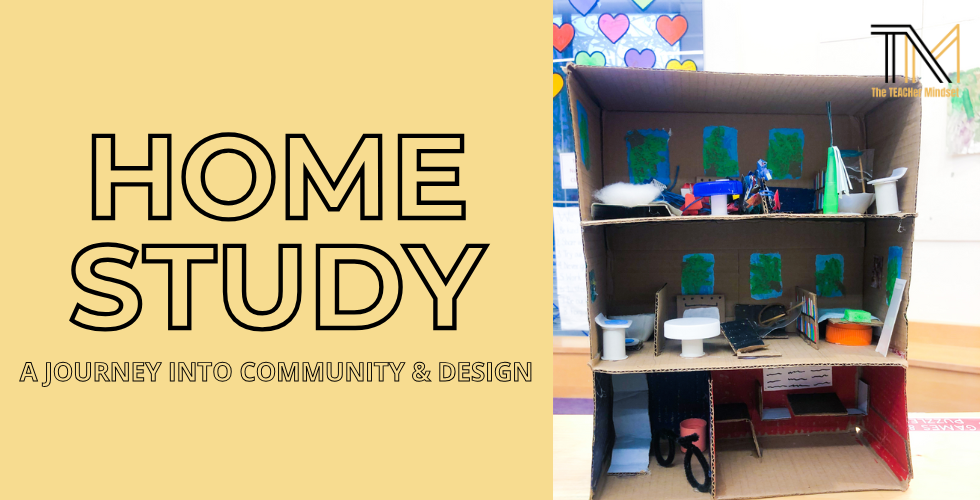
In the world of early childhood education, some of the best learning happens when we take a topic that every child is familiar with and look at it through a new lens. For my classroom, that was the Home Study.
A "Home Study" is a project-based learning unit where students move beyond simply knowing where they live to becoming investigators of their own community. It’s a way to bridge the gap between their personal lives and the world of architecture, math, and engineering. By focusing on something as foundational as "home," we created a space where every child felt like an expert while simultaneously challenging them to think like designers.
ALL ABOUT HOME STUDY
The primary goal of this unit was to move from the general to the specific. Students began by studying the vast variety of homes that exist in the world, examine the specific types of homes that make up our own community, and finally, design and construct a home of their own. It is a journey from being an observer of their neighborhood to being the architect of their own ideas.
We used two anchor texts to bridge the gap between reality and imagination. These stories provided the vocabulary and inspiration needed for our hands-on projects.
WHY I LOVE THIS UNIT
I absolutely love this unit because it brings out the unique creativity of every single student. It is a rare project that seamlessly brings different academic topics together from literacy, math, social studies, and engineering, while unlocking levels of creativity that truly amazed me. My students enjoyed every stage of the process, from observing our community and designing their dream homes to the final build and presenting their masterpieces to the class. Seeing their faces light up as they explained their "inventive" rooms was the highlight of my year.
BOOKS TO BUILD ON: LITERATURE FOR THE UNIT
Home by Carson Ellis
Home by Carson Ellis is a masterpiece of diversity and imagination. It doesn't follow a traditional plot; instead, it is a beautifully illustrated catalog of where different beings live.
The Narrative Style: The book asks the question, "Where is home?" and then takes the reader on a global and fantastical tour. It shows everything from a traditional Japanese house and a tall apartment building to more whimsical places like a subterranean lair or a palace underwater.
Why it works for this study: It breaks the stereotype that a "home" must be a house with a triangular roof. For Pre-K students, this is crucial for inclusivity. If a student lives in a high-rise apartment or a multi-generational townhouse, they see themselves reflected here.
Teaching Moment: Use this book to discuss commonalities. Ask the students: "Even though these look different, what do they all have in common?"
You can purchase this book for your classroom on Amazon or find the digital read aloud version on YouTube.
If I Built a House by Chris Van Dusen
If Carson Ellis’s book is about what exists, Chris Van Dusen’s book is about what could exist. It follows a young boy named Jack who describes his dream home to his mother.
The Narrative Style: The book is written in a fast-paced, energetic rhyme. Jack’s imagination is limitless. He designs a "Scrub-a-dub-dub" room that washes you automatically, a "Kitchen-o-Matic" that cooks for you, and a room full of flying trampolines.
Why it works for this study: This is the perfect transition into the engineering and design phase. It encourages students to think about "wants" vs. "needs." While Carson Ellis shows us the need for shelter, Van Dusen shows us the want for fun and creativity.
Teaching Moment: Use this book to spark the "Dream House" sketch. Ask students, "If you could add one room to your house that doesn't exist yet, what would it do?" This directly leads into them sketching their designs before they start building with their recycled materials.
You can purchase this book for your classroom on Amazon or find the digital read aloud version on YouTube.
THE UNIT BREAKDOWN: STEP-BY-STEP
We structured this unit to move from observation to creation. Here is the step-by-step flow of our study:
Reading & Introduction: We started with the book Home by Carson Ellis to introduce the concept that "home" looks different for everyone.
The Community Walk: We took a walk through our local neighborhood to see what types of homes were actually in our city. Students showed interest in the types of homes we live in so we used that to guide the direction of the remainder of the unit.
Studying Home Types: Based on our walk, we did a deep dive into the three most common homes in our community: apartments, townhomes, and single-family houses. After studying these three types of home, we even took a poll to see which one each student lived in! Most of the students in our community live in apartments as it’s the most common type of home in a major city.
Needs vs. Wants: We discussed what a home must have (shelter, safety) vs. what it could have (fun features).
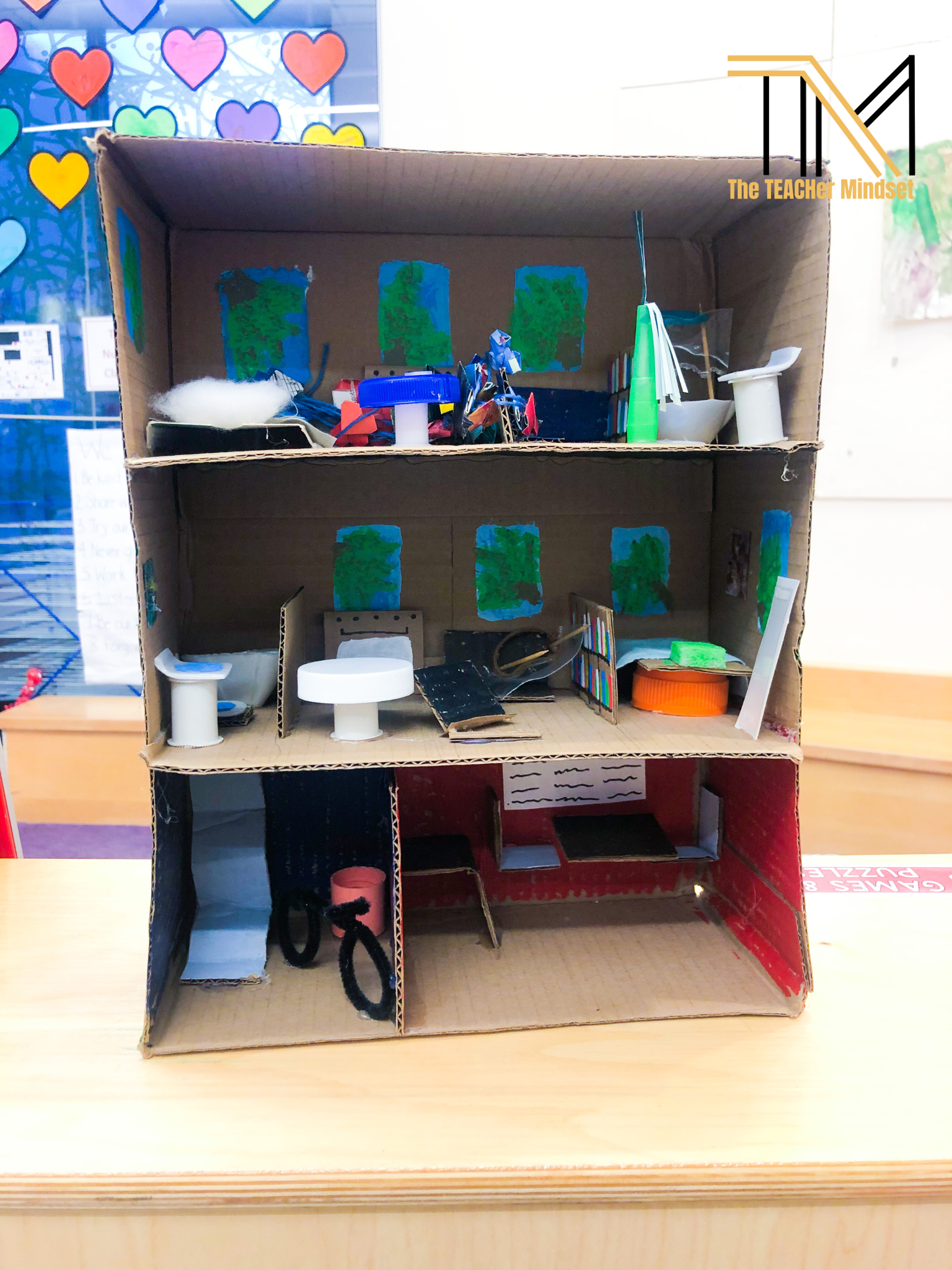
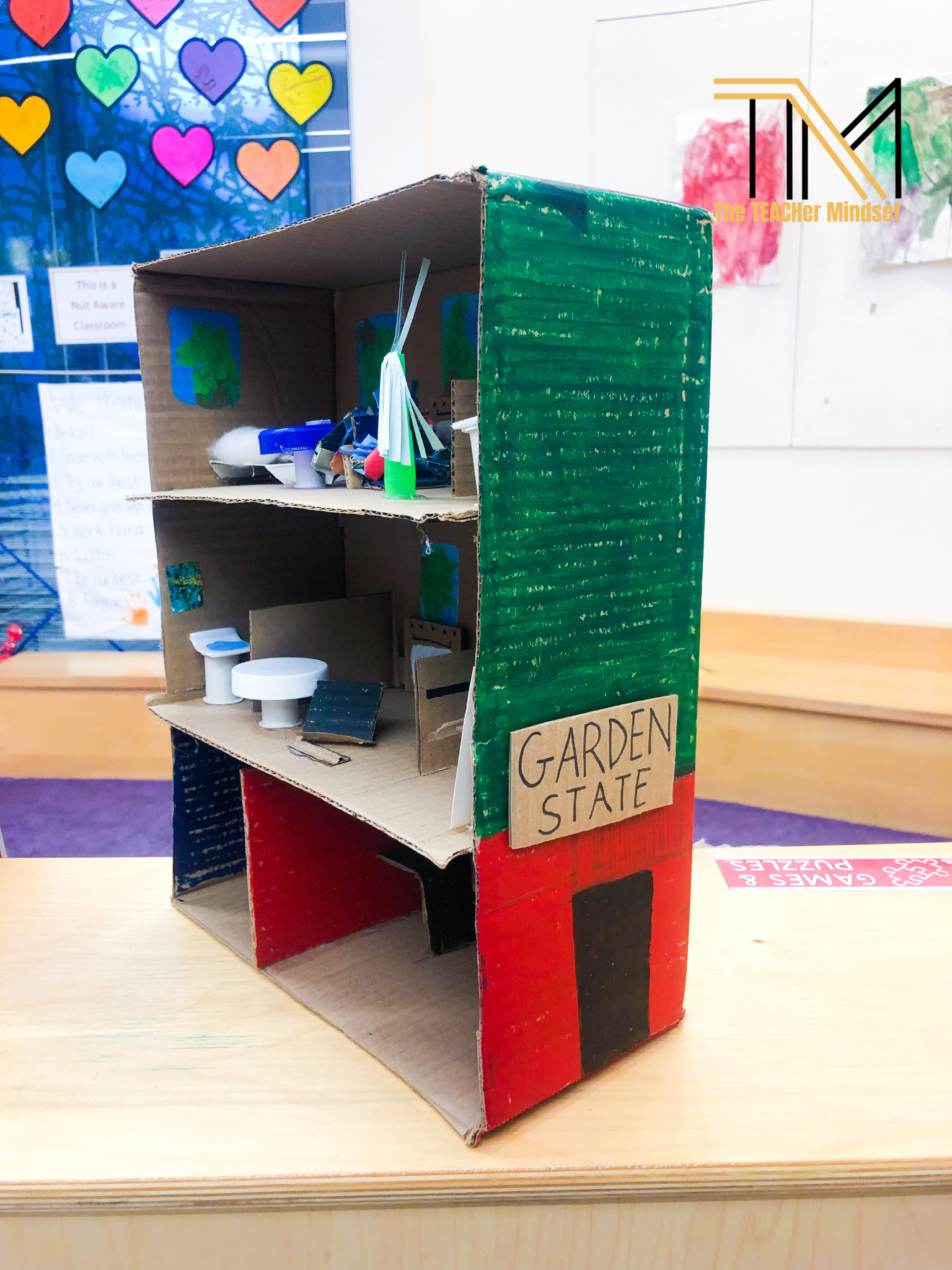
Design & Build: After reading If I Built a House by Chris Van Dusen, students sketched their own designs of their dream home. Lastly, using recycled materials like shoe boxes and bottle caps, they spent a week building their 3D models.
DIFFERENTIATING FOR YOUR STUDENTS
One of the best things about a Home Study is how easily it can be tailored to your specific group of students. The curriculum should follow their curiosity!
Animal Habitats: if your class is obsessed with nature, pivot the unit to focus on homes for animals. Students can study nests, dens, and hives, and then build a home for their favorite animal.
Global Architecture: focus on homes in different climates. Igloos in the cold, stilt houses in water-rich areas, or adobe houses in the desert.
Interactive Community Map: have students work together to build an entire "city" out of their boxes, placing their homes on a giant paper road map on the floor.
READY TO LAUNCH YOUR OWN HOME STUDY?
Are you ready to turn your students into little architects and watch their creativity soar? To help you get started, I’ve put together a Home Study Starter Kit just for you! This freebie includes parent letter templates. These emails will help you to get your families involved in the unit and help to collect the materials you need to build the home at the end of the unit. Simply download the templates and pick the version that fits your class's interests. Click on the link below to get your freebie today.